Port & beach
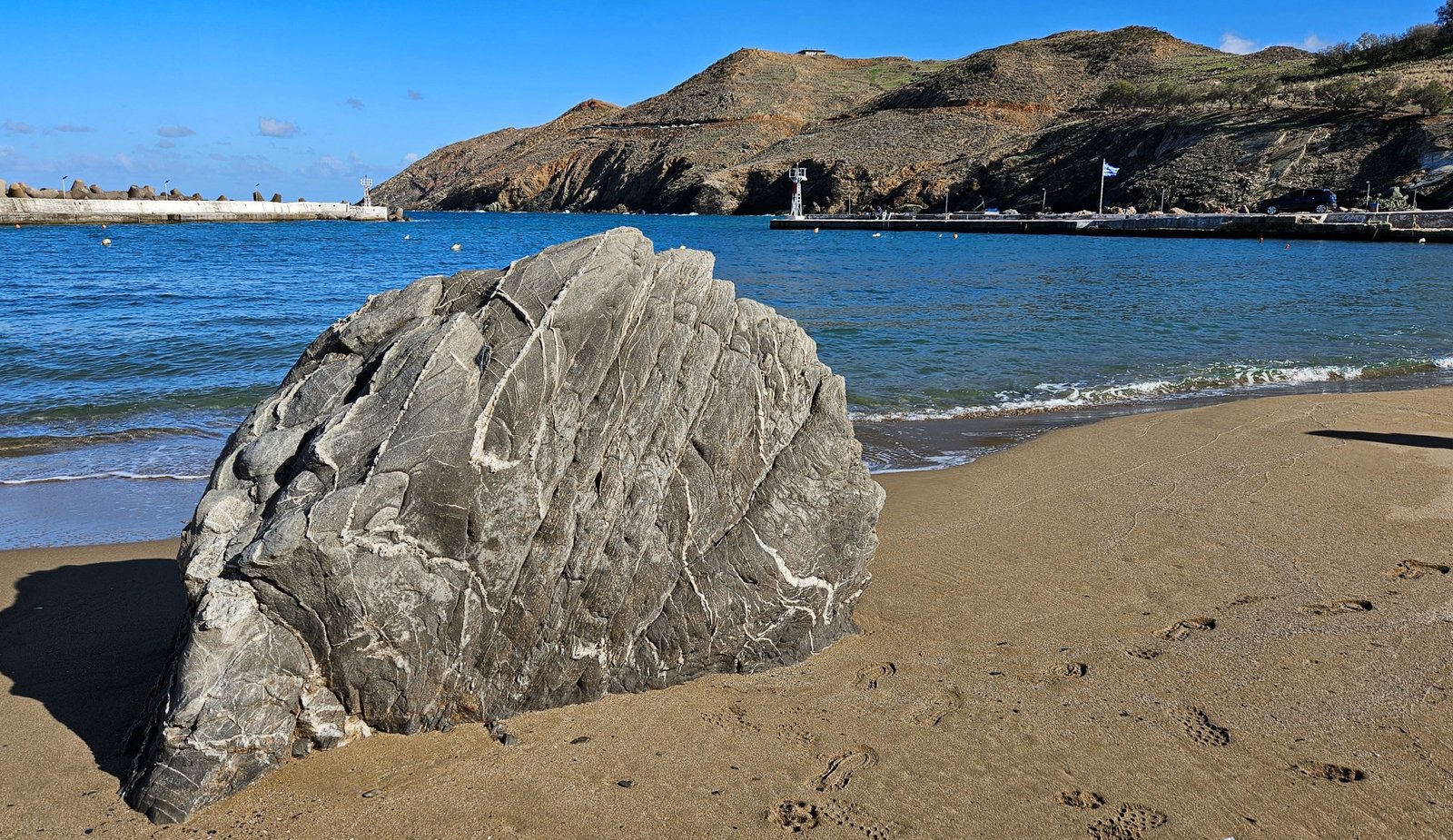
Port of Panormo
- Limanaki beach is located in front of the village, under the ruins of Mylopotamos Castle, and serves the port of Panormos.
- It is sandy and has clear waters. It is ideal for children, as it is shallow, and it is protected in the east by a jetty, where boats are moored.
beach in the village
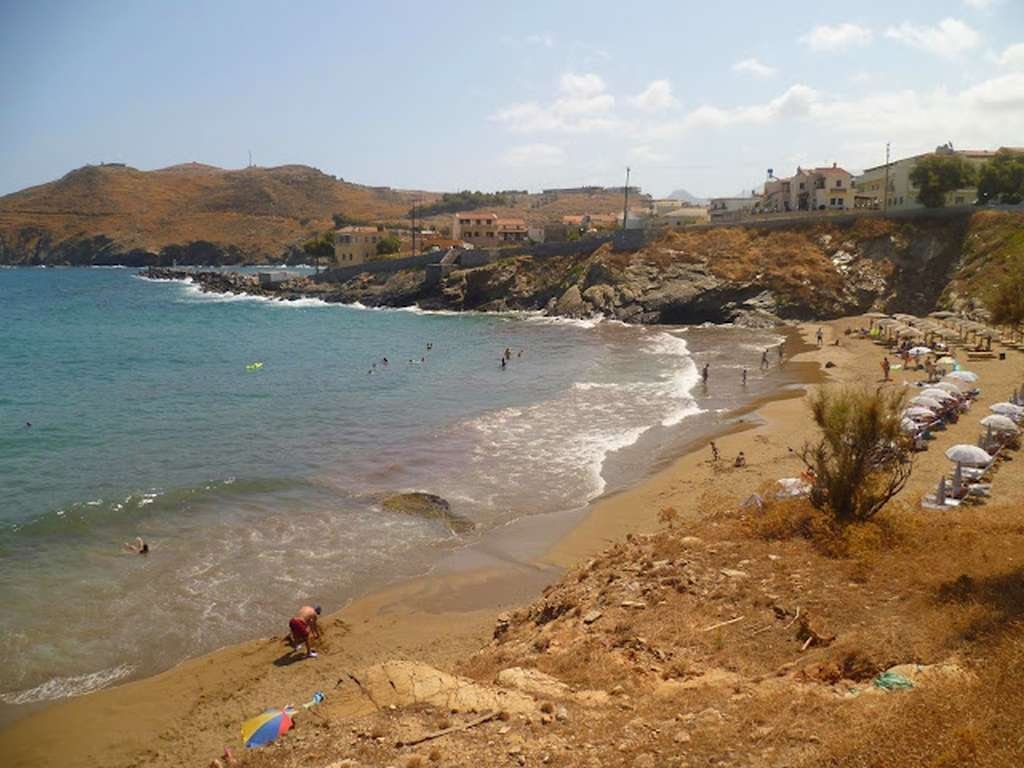
Limni Beach
- The western beach of the area, Limni, is located just 50m west of the village.
- Similarly to Limanaki, it is a sandy organized beach protected to the west by a jetty.
- Further west, there is a small pebbly bay, perfect for seclusion and masking.
Venetian Castle
Castello di Milopotamo
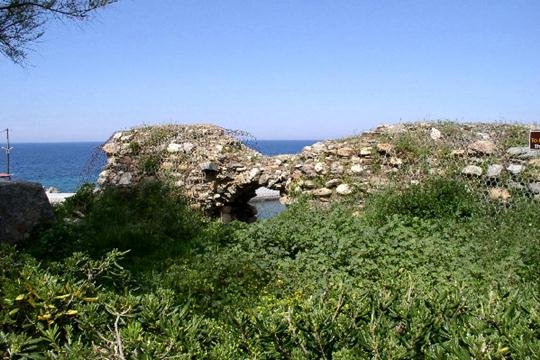
Near the village and on its steep shores, next to the dock of the current village, the Genoese pirate Henry Pescatore built the fortress Castel Milopotamo at the beginning of the 13th century. When the Venetians conquered Crete, they kept the fortress, while at the same time around it developed the settlement (burgos) which later evolved into today’s Panormos.
The fort was egg-shaped oriented from north to south and was equipped with seven towers and two doors, one on the sea side and one on the south side. In 1341 the Kapsokalyves (a local family) besieged the fortress, in which was Alexios Kallergis, a Cretan lord who had sided with the Venetians, but they were repulsed.
- In 1538 the pirate Hayredin Barbarossa destroyed Castel Milopotamo, but the Venetians immediately repaired it. Later the Turks, after occupying Rethymno, began to march towards Khandaka. Thus, passing through Panormos, they occupied the fortress in 1647. The Venetians tried to recapture it by landing with the general Gildasis (Gil d’Has), but they failed.
OLD BASILICA CHURCH
Agia Sofia
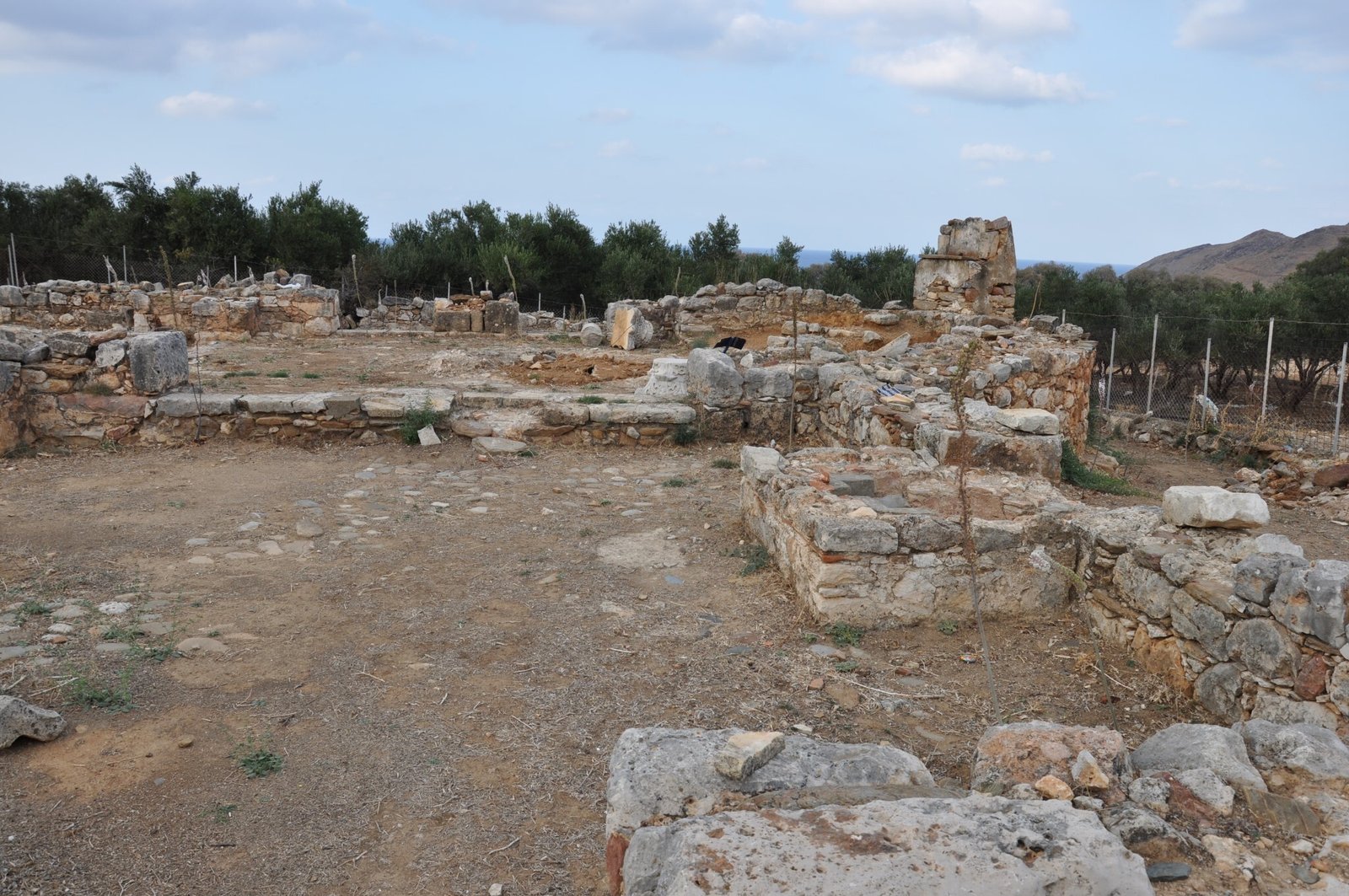
- The basilica dates back to the 5th century, but seems to have had at least two other construction periods, one in the middle of the 6th century and a third at the end of the same century. It was violently destroyed, probably due to the Arab raids of the 7th century, as it happens with other basilicas at this time in Crete. However, the finding of coins of Leo VI (886-912), as well as the use of micro-letter writing in inscriptions on pessos and breastplates, indicate the use of the site at least until the 9th century.
- It is a three-aisled, wooden-roofed basilica with a transversal nave, total length 54 m and maximum width 23 m. To the west it has a narthex and atrium, in the center of which there is a large tank and north and west additions. To the east it ends in a semicircular arch, which internally retains traces of a throne. In the southern vestibule there is a later brick structure, which is considered a swimming pool. An elaborate burial was found in the northern pastoforium, which according to the inscription belonged to the psalter Theodoros.
industrial monument
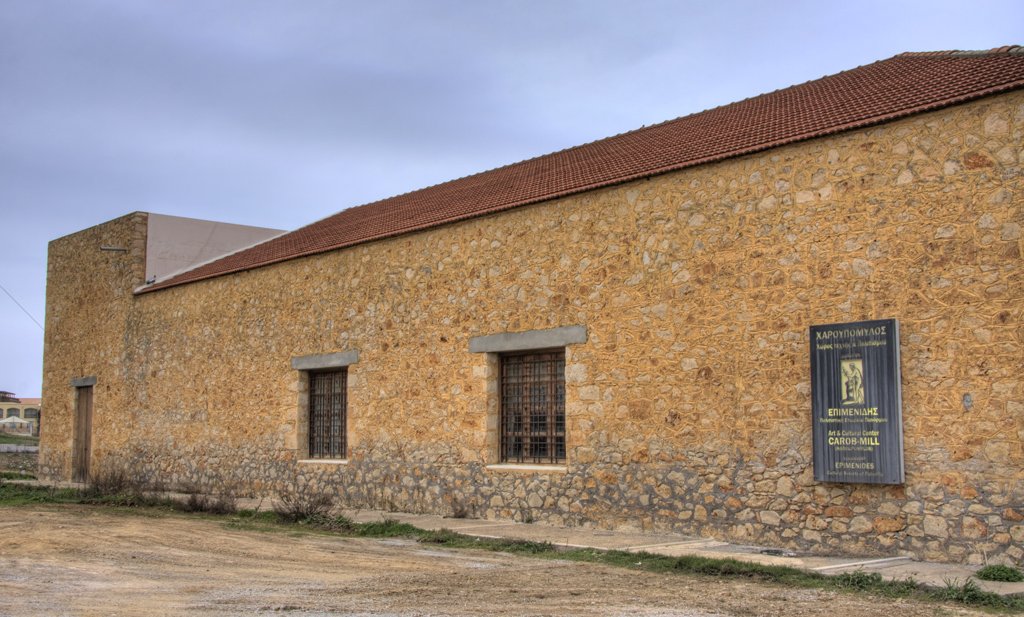
Carob Mill
- In the area of Panormos, there is the only – perhaps – old big Haroupomylos of Crete, which was declared as an industrial monument by the Ministry of Culture.
- The existence of the abandoned and dilapidated carob processing industrial building provided the stimulus for the creation of a model space of art and culture in Panormos.
- Harupomylos, from 1996, functioned as a venue for various artistic, conference and sports events and gradually became the center of cultural activity in the region.